

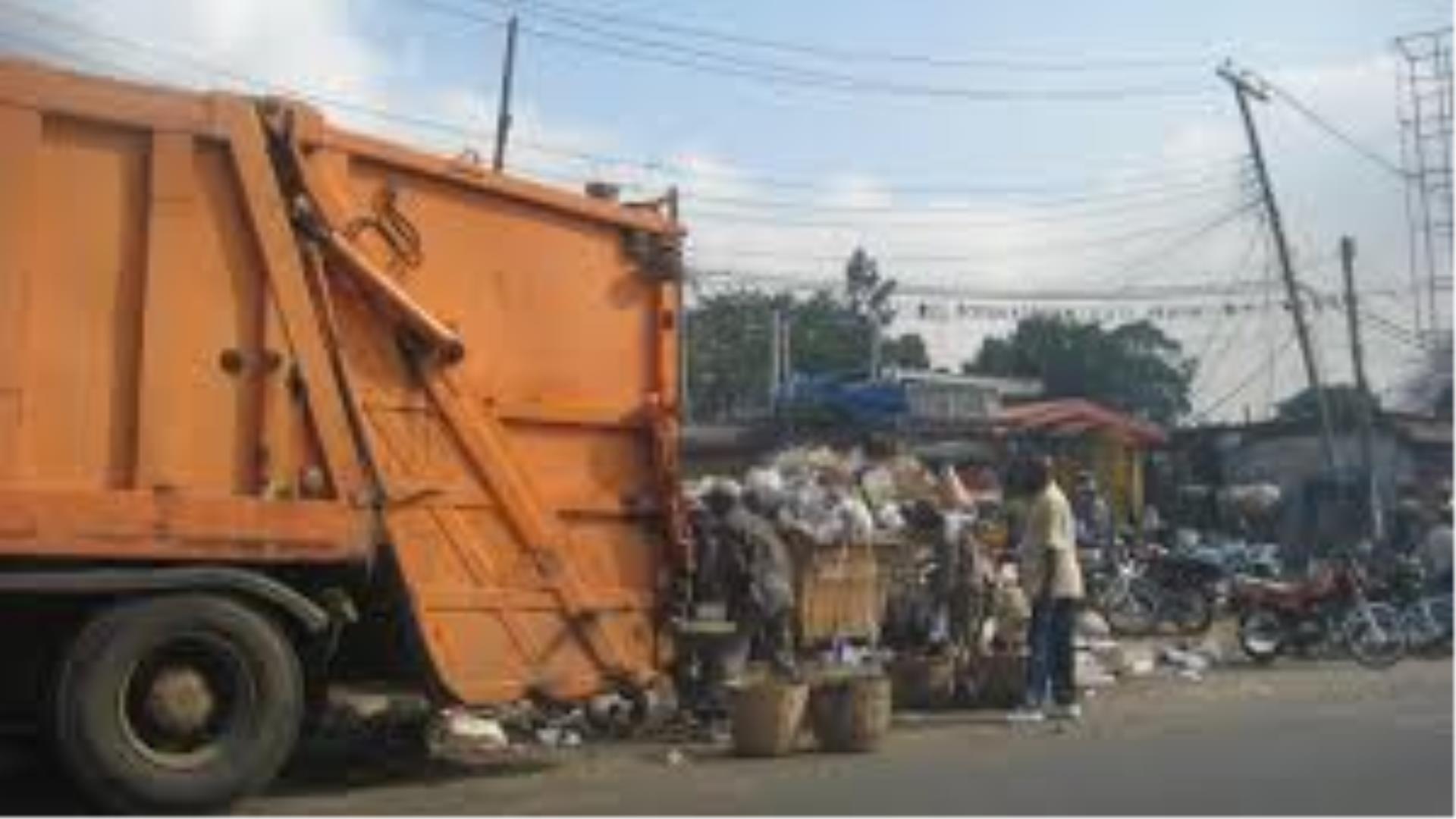
The Importance of Sustainable Waste Management for a Circular Economy
As cities grow and global consumption rises, the amount of waste we generate has reached alarming levels.
As cities grow and global consumption rises, the amount of waste we generate has reached alarming levels. According to the World Bank, global waste is expected to grow by 70% by 2050 if no urgent action is taken. Traditional waste management methods—landfilling and incineration—are no longer sufficient to handle this crisis. Instead, the world needs a shift toward sustainable waste management practices that support a circular economy.
A circular economy is an economic system aimed at eliminating waste and continually using resources. Unlike the traditional linear model of "take, make, dispose," the circular economy promotes closing the loop by designing out waste and keeping materials in use for as long as possible. Sustainable waste management plays a critical role in making this transition possible.
Understanding Sustainable Waste Management
Sustainable waste management focuses on minimizing waste generation, encouraging recycling and composting, and promoting resource recovery rather than disposal. It involves the careful handling of waste at every stage—from production and consumption to disposal—ensuring minimal environmental impact and maximum resource efficiency.
Key elements include:
-
Waste reduction at source: Encouraging industries and consumers to reduce packaging, adopt minimalistic designs, and use durable products.
-
Segregation and collection: Properly separating organic, recyclable, and hazardous waste to enable efficient treatment.
-
Recycling and reuse: Transforming waste materials into new products or reusing them in different forms.
-
Energy recovery: Converting non-recyclable waste into usable forms of energy.
-
Safe disposal: Ensuring that whatever waste cannot be treated or reused is disposed of in an environmentally responsible manner.
How Waste Management Supports a Circular Economy
A circular economy cannot exist without a robust, efficient, and sustainable Waste Management Services. Here’s how it contributes:
1. Resource Recovery
In a circular economy, waste is viewed as a resource rather than garbage. For example, food and organic waste can be turned into compost or biogas, while plastic waste can be recycled into new products. By recovering these resources, we reduce dependence on virgin raw materials and minimize environmental damage from extraction and processing.
2. Reduced Landfill Dependency
Traditional linear waste systems rely heavily on landfills, which consume valuable land and produce harmful greenhouse gases. Sustainable waste management diverts a significant amount of waste away from landfills, decreasing pollution, extending landfill lifespan, and reducing health hazards in surrounding communities.
3. Energy Savings
Recycling materials like metals and plastics requires far less energy than producing them from raw materials. By promoting recycling, sustainable waste management saves substantial amounts of energy, reducing overall carbon emissions and contributing to climate change mitigation.
4. Economic Opportunities
Sustainable Waste Management Services in Jaipur generates jobs in the sorting, recycling, composting, and remanufacturing sectors. By turning waste into new products and materials, local businesses and startups can thrive, supporting green economic growth.
5. Encouraging Sustainable Design
When waste management systems prioritize reuse and recycling, manufacturers are encouraged to design products that are easier to dismantle, repair, or recycle. This "design for circularity" minimizes future waste generation and prolongs product lifespans.
Examples of Circular Waste Management in Action
Many cities and organizations worldwide are successfully integrating waste management into a circular economy model.
Amsterdam, Netherlands
Amsterdam has become a global leader in circular economy practices. The city emphasizes material reuse in construction, promotes circular procurement, and implements extensive organic waste collection for composting and biogas production.
Japan’s Zero Waste Town—Kamikatsu
The small town of Kamikatsu has achieved global recognition for its commitment to zero waste. Residents separate their waste into 45 different categories to ensure maximum recycling and reuse, reducing landfill dependence to almost zero.
India's Composting Initiatives
In India, various smart cities and large housing societies are installing compost machines to process organic waste at the source. The resulting compost is used in landscaping and gardening and sold to local farmers, closing the loop on organic waste.
Challenges to Implementing Sustainable Waste Management
Despite its clear benefits, shifting to sustainable waste management faces several challenges:
Lack of Infrastructure
Many developing cities lack adequate facilities for segregation, recycling, and composting. Investment in advanced waste processing plants and decentralized composting units is crucial.
Public Awareness and Participation
Effective waste management relies heavily on individual participation. People need to understand the importance of waste segregation and follow sustainable practices at home and work.
Policy and Regulation Gaps
Governments need to implement stricter policies that encourage or enforce sustainable practices, such as banning single-use plastics, mandating producer responsibility, and incentivizing eco-friendly designs.
Economic Constraints
Transitioning to sustainable systems can involve upfront costs, which may discourage municipalities or private organizations without sufficient support or subsidies.
The Role of Technology
Technology is revolutionizing waste management, making it more efficient and accessible. Smart waste bins with sensors alert collectors when they are full, optimizing collection routes and reducing fuel consumption.
Advanced composting machines can process organic waste within 24 hours, converting it into nutrient-rich compost. Waste-to-energy plants use non-recyclable waste to generate electricity, offering an alternative to fossil fuels.
Digital platforms also help track waste streams, monitor recycling rates, and educate residents on waste segregation and reduction techniques.
Benefits to Society and the Environment
A well-implemented, sustainable waste management system in a circular economy delivers widespread benefits:
-
Reduced environmental pollution: Cleaner air, water, and soil.
-
Climate change mitigation: Lower greenhouse gas emissions through reduced landfill use and increased recycling.
-
Enhanced public health: Fewer pests, cleaner surroundings, and reduced disease risks.
-
Economic growth: New industries, job creation, and revenue from recovered materials.
-
Resource security: Lower reliance on virgin materials preserves natural resources for future generations.
India’s Push for Circular Economy
India is actively promoting a circular economy through various initiatives, including the Swachh Bharat Mission and Extended Producer Responsibility (EPR) guidelines. Cities like Pune, Indore, and Mysuru have become role models for their waste segregation and decentralized composting efforts.
By adopting sustainable waste management practices, India can turn its massive waste generation challenge into a valuable opportunity for economic and environmental gains.
Conclusion
As we face a future shaped by urban growth, resource scarcity, and environmental crises, embracing a circular economy is not just a choice—it is a necessity. Sustainable waste management service is the backbone of this transformation, enabling us to redefine waste as a resource and reduce our ecological footprint.
By closing material loops, we can create cities and societies that are not only cleaner and healthier but also more resilient and economically vibrant. Governments, corporations, and individuals must work together to support and adopt innovative, sustainable waste practices.
A circular economy starts with each one of us—every product we buy, every item we dispose of, and every effort we make to recycle or reuse has the power to shape a better, more sustainable world.